Maintaining your Honda CB 1000 R in peak condition requires more than just regular servicing and attention to the engine or cooling systems. One of the most fundamental aspects of motorcycle care, often overlooked by even experienced riders, is ensuring that your tyres are inflated to the correct pressure. This simple yet vital task can dramatically influence your bike's handling, safety, and overall performance throughout the year. Whether you are navigating city streets during your daily commute or embarking on a long-distance tour across varied terrain, understanding and managing tyre pressure is essential for any biker who values both performance and safety.
Understanding the Importance of Correct Tyre Pressure for Your Honda CB 1000 R
How proper tyre pressure enhances safety and handling
Correct tyre pressure plays a crucial role in how your Honda CB 1000 R behaves on the road. When tyres are inflated to the manufacturer's recommended levels, they provide optimal contact with the road surface, which in turn enhances grip and stability. This is particularly important when cornering at speed or navigating wet or uneven surfaces. Under-inflated tyres can lead to sluggish handling and increased braking distances, while over-inflated tyres may reduce the contact patch, making your bike feel twitchy and less predictable. Riders who regularly check and adjust their tyre pressure find that their machine responds more reliably to steering inputs, which is especially beneficial during emergency manoeuvres or when riding in challenging weather conditions.
Safety is paramount when riding a powerful machine such as the CB 1000 R. Properly inflated tyres ensure that the suspension and frame work harmoniously, distributing forces evenly across the tyre's surface. This balance is essential for maintaining control during rapid acceleration or heavy braking. Moreover, consistent tyre pressure helps to prevent sudden blowouts or premature wear, both of which can lead to dangerous situations on the road. By paying attention to this often underestimated aspect of motorcycle maintenance, riders can significantly reduce the risk of accidents and enjoy a more confident, secure riding experience.
The Impact of Tyre Pressure on Fuel Efficiency and Tyre Longevity
Beyond safety and handling, maintaining the correct tyre pressure also has a direct effect on fuel efficiency and the lifespan of your tyres. When tyres are under-inflated, they create more rolling resistance, which means your engine has to work harder to maintain speed. This increased effort translates into higher fuel consumption, something that is particularly noticeable during long rides or daily commuting. Conversely, over-inflated tyres can lead to uneven wear patterns, reducing the overall lifespan of the tyre and potentially compromising safety. By keeping your tyres at the recommended pressure, you ensure that your Honda CB 1000 R operates efficiently, saving money on fuel and extending the life of your tyres.
Regular monitoring and adjustment of tyre pressure can also prevent the need for premature replacements. Tyres that are consistently maintained at the correct pressure wear more evenly, which means you get the full benefit of their tread life. This is especially important for riders who cover significant mileage each year, whether for touring or daily use. Additionally, well-maintained tyres contribute to a smoother and more comfortable ride, as they absorb road imperfections more effectively. In the long run, the small investment of time required to check tyre pressure can lead to substantial savings and a more enjoyable riding experience.
Recommended Tyre Pressure Settings and Seasonal Adjustments for the Honda CB 1000 R
Manufacturer specifications: front and rear tyre pressure guidelines
For the Honda CB 1000 R, the manufacturer recommends a front tyre pressure of 36 psi and a rear tyre pressure of 42 psi. These figures are designed to provide an optimal balance between handling, comfort, and safety under normal riding conditions. It is important to note that these pressures remain consistent whether the bike is being ridden solo or with a passenger and luggage. Unlike some motorcycles where load adjustments are necessary, the CB 1000 R maintains its recommended pressures across various load scenarios, simplifying the maintenance process for riders.
Common tyre sizes for the Honda CB 1000 R include 120/70/17 for the front and 180/55/17 for the rear. These dimensions are standard across the model's variants, ensuring that riders can easily source suitable tyres from a range of manufacturers such as Bridgestone, Michelin, and Pirelli. When selecting new tyres, it is essential to ensure they match these specifications to maintain the bike's performance characteristics. Popular choices for commuting include the Bridgestone T31 and Pirelli Angel ST, while those looking for touring options might consider the Metzeler Roadtec 02 or Michelin Road 6. For riders who enjoy trackday events, the Pirelli Supercorsa V4 SP offers exceptional performance under high-stress conditions.
Adapting Tyre Pressure for Different Weather Conditions and Riding Styles
While the standard tyre pressures are suitable for most riding conditions, experienced bikers often make minor adjustments to suit specific weather or terrain challenges. During highway driving, for instance, increasing tyre pressure by 2 psi can help reduce rolling resistance and improve fuel efficiency, which is beneficial on long motorway stretches. Conversely, when riding in summer heat or tackling mountain roads, reducing pressure by 2 psi can enhance grip and provide a more compliant ride over uneven surfaces. These small tweaks can make a noticeable difference in how the bike handles and responds to varying conditions.
It is also worth considering your riding style when thinking about tyre pressure adjustments. Sport riders who push their machines hard through corners may benefit from slightly higher pressures to maintain stability at speed, while those who prefer a more relaxed touring pace might opt for marginally lower pressures to improve comfort over long distances. However, any adjustments should be made cautiously and within reasonable limits, as deviating too far from the manufacturer's recommendations can compromise safety and performance. Regular checks with a reliable pressure gauge will help you stay within the optimal range and ensure that your Honda CB 1000 R remains responsive and predictable in all scenarios.
Practical tyre maintenance tips: diagnostics, checks, and best practices
Routine Tyre Pressure Checks and Essential Diagnostic Tools for Bikers
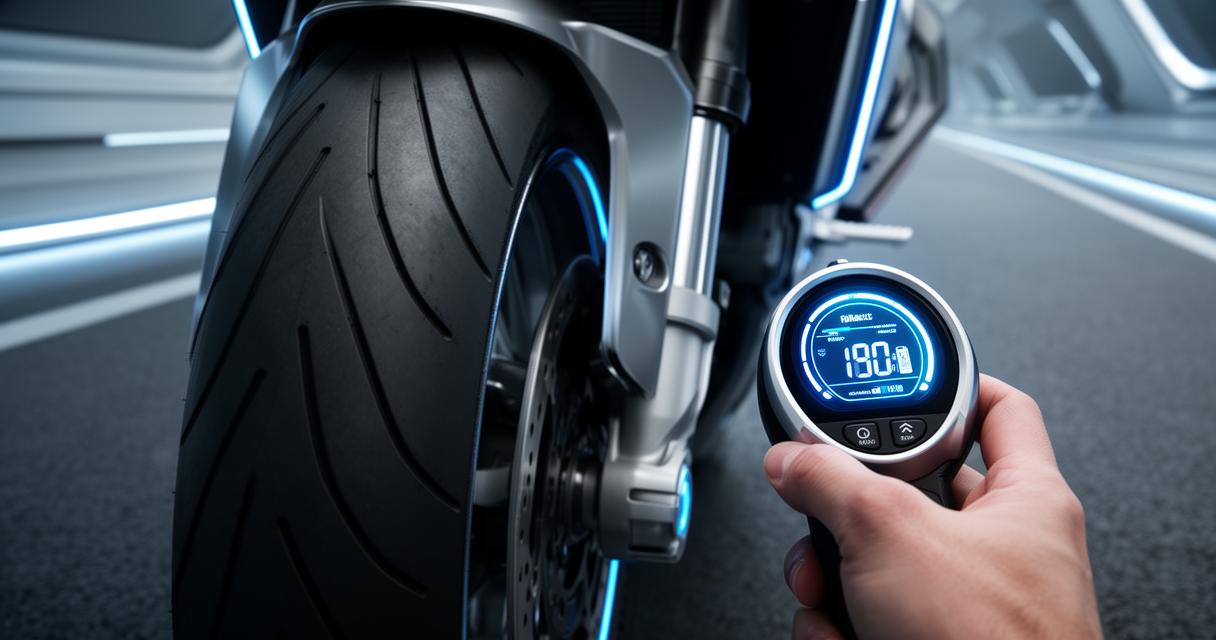
Establishing a routine for checking tyre pressure is one of the simplest yet most effective ways to maintain your Honda CB 1000 R. Ideally, pressures should be checked at least once a week, or before any long journey. It is best to measure tyre pressure when the tyres are cold, as heat generated from riding can cause the air inside to expand, leading to inaccurate readings. A quality digital or analogue tyre pressure gauge is an essential tool for any biker, providing accurate measurements that allow you to make informed adjustments.
In addition to checking pressure, it is important to inspect your tyres for signs of damage, such as cuts, punctures, or uneven wear. These issues can indicate underlying problems with alignment, suspension, or even riding habits. Many workshops, including specialist facilities in London, offer comprehensive tyre fitting and diagnostic services, often backed by five-star ratings from satisfied customers. For those who prefer to handle maintenance themselves, investing in a portable air compressor can make on-the-go adjustments straightforward and convenient. Whether you choose professional servicing or a do-it-yourself approach, consistent attention to tyre condition will help prevent unexpected failures and keep your bike running smoothly.
Maintaining Optimal Performance: Integrating Tyre Care with Engine and Cooling System Maintenance
Tyre maintenance should be viewed as part of a holistic approach to motorcycle care. While ensuring correct tyre pressure is crucial, it is equally important to keep up with regular servicing of your engine, cooling system, and other critical components. A well-maintained engine runs more efficiently, reducing the strain on your tyres and contributing to overall fuel economy. Similarly, a properly functioning liquid cooling system prevents overheating, which can indirectly affect tyre performance by ensuring the bike operates within its designed parameters.
Integrating tyre checks into your broader maintenance schedule is a practical way to stay on top of your bike's needs. For example, when you service your engine or perform an MOT, take the opportunity to inspect and adjust tyre pressures. Many workshops offer bundled services that include tyre fitting, servicing, and MOTs, making it convenient to address multiple aspects of maintenance in one visit. Some establishments even provide mail delivery of tyres across the UK and Europe, allowing you to order the right products from manufacturers such as Avon, Bridgestone, and Michelin without the hassle of visiting a shop. By treating tyre care as an integral part of your routine, you ensure that every aspect of your Honda CB 1000 R is prepared for year-round performance and reliability.