The modern motorist's relationship with their vehicle has evolved dramatically over recent years, with technology playing an increasingly central role in the driving experience. Among the innovations that have quietly revolutionised how we enjoy our time on the road, FM transmitters have emerged as a surprisingly versatile and practical solution. These compact devices bridge the gap between older vehicles and contemporary entertainment needs, allowing drivers to transform their cars into fully equipped audio hubs without the expense of comprehensive system upgrades. Beyond simple convenience, they represent an eco-conscious choice by extending the life of existing car stereos rather than replacing them entirely.
Understanding fm transmitters: the modern motorist's essential companion
What Makes FM Transmitters a Revolutionary Car Accessory for Today's Drivers
FM transmitters have carved out a distinctive niche in the automotive accessories market by offering an elegant solution to a common problem. These devices enable wireless audio transmission to FM radio receivers, effectively turning any car radio into a sophisticated entertainment system. The beauty of this technology lies in its simplicity and accessibility. Rather than requiring complex installation procedures or expensive equipment upgrades, an FM transmitter plugs directly into your vehicle's power supply and broadcasts audio content on a selected frequency that your car radio can receive. This approach makes them particularly valuable for owners of older vehicles that lack modern audio features such as auxiliary inputs or integrated smartphone connectivity.
The versatility of FM transmitters extends well beyond basic music playback. They transform vehicles into mobile entertainment hubs by supporting multiple functions simultaneously. Drivers can enjoy hands-free calling capabilities, ensuring safer communication whilst on the move. Access to local radio stations provides variety during long journeys, allowing travellers to stay connected with regional news and programming as they traverse different areas. Furthermore, many transmitters now incorporate multiple charging ports, addressing the perpetual challenge of keeping various devices powered during extended trips. This multifunctional nature represents excellent value, consolidating several automotive needs into one compact device.
Bluetooth Connectivity and Music Playback: Seamless Integration for Your Journey
Bluetooth capability stands as perhaps the most significant feature of modern FM transmitters, fundamentally changing how we interact with audio content whilst driving. This wireless technology creates a seamless connection between smartphones, tablets and the transmitter itself, eliminating the tangle of cables that once characterised in-car audio setups. The practical advantages are immediately apparent during daily use. Drivers can stream music, podcasts and audiobooks directly from their personal libraries without consuming mobile data, making them ideal companions for long-distance drives where internet connectivity might prove unreliable or expensive.
The ability to preload content onto USB drives or SD cards further enhances the entertainment possibilities. This feature proves particularly useful when travelling through areas with poor signal coverage or when attempting to reduce data consumption. Passengers benefit enormously from these capabilities, as the vehicle becomes an entertainment space where personal playlists and curated content keep everyone engaged throughout the journey. The technology also facilitates effortless switching between personal audio collections and local radio broadcasts, providing the variety necessary to prevent monotony during extended road trips. This flexibility ensures that each mile becomes more enjoyable and considerably less stressful for all occupants.
Choosing the Right FM Transmitter: Price Considerations and Product Reviews
Navigating Amazon Availability and Delivery Options for Your Perfect Match
When embarking on the search for an appropriate FM transmitter, prospective buyers encounter a surprisingly diverse marketplace with options spanning a broad spectrum of prices and capabilities. FM transmitter models vary considerably in cost, reflecting differences in features, build quality and brand reputation. This variation provides opportunities for consumers working within different budgets to find suitable devices. The market includes budget-friendly options that deliver basic functionality alongside premium models incorporating advanced features such as automatic frequency tuning, voltage detection and enhanced sound quality. Understanding these distinctions helps buyers make informed decisions aligned with their specific requirements and financial constraints.
Amazon has established itself as a primary retail channel for FM transmitters, offering extensive selection alongside convenient delivery options. The platform's comprehensive product listings enable detailed comparisons between different models, whilst customer reviews provide valuable real-world insights into performance and reliability. Shoppers can examine specifications, assess user feedback and evaluate pricing structures all within a single browsing session. Delivery services add further convenience, with various shipping speeds accommodating both urgent needs and more relaxed purchasing timelines. Some retailers also offer newsletter subscriptions that provide access to discounts and promotional offers, helping cost-conscious consumers secure better value. This combination of selection, information and convenience makes online marketplaces particularly attractive for those seeking automotive audio solutions.
Evaluating USB Charger Features and Multiple Ports for Device Support
The integration of USB charging capabilities into FM transmitters represents a thoughtful acknowledgement of contemporary device dependency. Most drivers and passengers now travel with multiple electronic devices requiring regular charging, from smartphones and tablets to portable gaming systems and e-readers. Quality transmitters address this reality by incorporating several charging ports with varying power outputs to accommodate different devices simultaneously. This feature proves especially valuable during family journeys or business trips where multiple occupants each have their own electronic essentials.
When evaluating these charging features, discerning buyers should consider both the number of ports available and their respective power delivery capabilities. Higher wattage ports charge devices more rapidly, reducing the time equipment spends tethered to cables. Some advanced models include intelligent charging technology that automatically adjusts power output according to the connected device's requirements, optimising charging speed whilst protecting against potential damage from excessive voltage. The physical design of these ports also merits attention, as poorly positioned outlets can create awkward cable arrangements within the vehicle's cabin. Thoughtfully engineered transmitters position charging ports for easy access without interfering with the driver's controls or creating visual clutter. These considerations collectively determine whether a particular model will genuinely enhance the driving experience or merely add complexity.
Installation and Compatibility: Getting Your FM Transmitter Up and Running
Easy Installation with Lighter Adapters and Essential Wiring Components
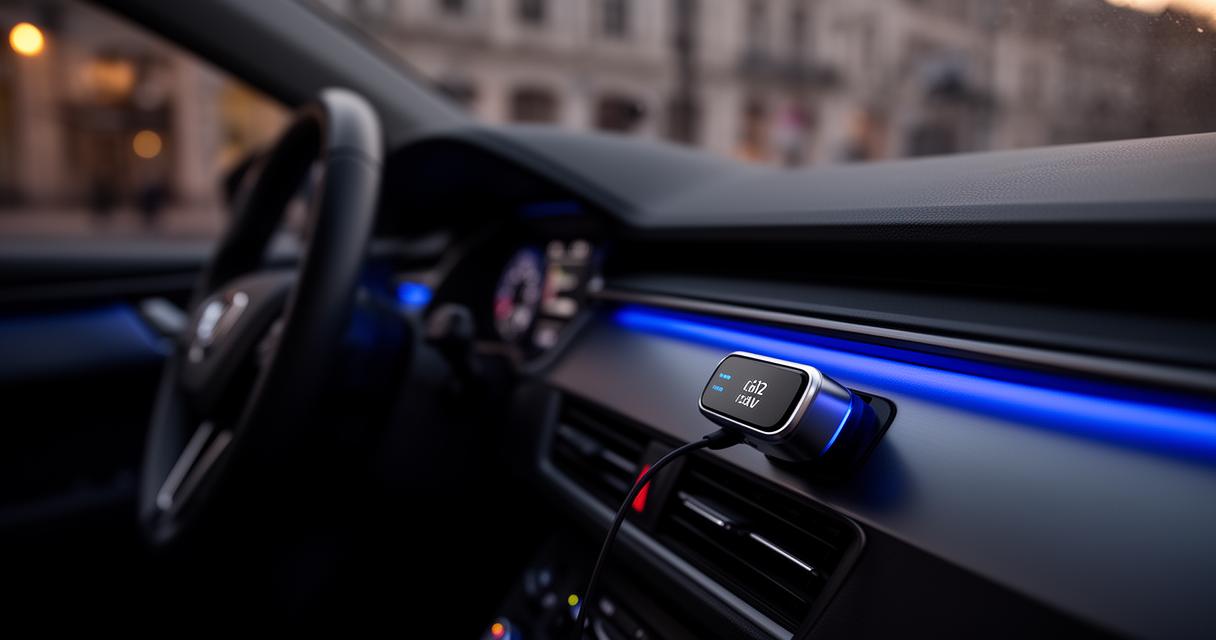
One of the most appealing characteristics of FM transmitters remains their remarkably straightforward installation process. Unlike comprehensive audio system upgrades that might require professional installation and significant modification to vehicle interiors, transmitters typically connect through the cigarette lighter socket or auxiliary power outlet. This approach eliminates the need for technical expertise or specialised tools, allowing even those with minimal mechanical aptitude to establish a functional system within minutes. The lighter adapter serves as both power source and mounting point, securing the device whilst drawing electricity from the vehicle's electrical system.
The minimal wiring requirements further contribute to the user-friendly nature of these devices. Most contemporary transmitters operate as self-contained units requiring no additional cables beyond the power connection. This simplicity offers substantial advantages over alternative solutions that might involve complex wiring harnesses or permanent modifications to the vehicle's dashboard. The portable nature of transmitters also means they can easily transfer between vehicles, making them ideal for households with multiple cars or individuals who frequently use rental vehicles. Setup typically involves merely plugging in the device, pairing it with a smartphone via Bluetooth and selecting an appropriate broadcast frequency on both the transmitter and car radio. This accessibility democratises access to enhanced automotive audio, regardless of technical background or previous experience.
Ensuring Compatibility with Car Radios and Understanding Kit Components
Despite their general versatility, FM transmitters do present certain compatibility considerations that prospective users should understand before purchasing. The fundamental requirement involves a functioning FM radio receiver within the vehicle, which fortunately remains standard equipment across virtually all automobiles manufactured in recent decades. However, the quality of the listening experience can vary depending on the radio's sensitivity and the local radio frequency environment. In areas with dense radio station coverage, finding a clear frequency for transmission may require some experimentation. Advanced transmitters address this challenge through features such as automatic frequency selection, which scans the available spectrum to identify the clearest channel.
Understanding what comprises a complete FM transmitter kit helps buyers assess whether additional components might be necessary for their specific situation. Basic packages typically include the transmitter unit itself along with the lighter adapter for power connection. More comprehensive kits might incorporate auxiliary cables for wired connections, additional mounting hardware or protective carrying cases. Some users may benefit from optional accessories such as extension cables that allow greater flexibility in positioning the transmitter within the vehicle's cabin. Evaluating these components against individual needs ensures a satisfactory purchase that delivers the intended functionality without requiring subsequent accessory acquisitions. The wide compatibility these devices maintain with smartphones, tablets and other audio sources makes them genuinely versatile additions to virtually any vehicle, breathing new life into older car audio systems whilst promoting sustainable use of existing equipment rather than premature replacement.