Anyone who has spent time browsing microbrand watches or chatting with independent watchmakers will have come across the same name time and again. The Seiko NH35 movement has quietly become one of the most talked-about mechanical hearts in modern watchmaking, prized for being both affordable and dependable. This article takes a closer look at what makes this calibre, and its sibling the NH35A, such a mainstay in the industry, from the engineering underneath the dial to why so many brands continue to build their collections around it.
What to know
- The Seiko NH35 and NH35A movements are widely recognized in the watch industry for their combination of affordability, robustness, and consistent performance.
- Designed for reliability, these automatic calibres feature a 21,600 vibrations per hour rate and a 41-hour power reserve.
- The movements are highly valued by microbrands and independent watchmakers because they offer a dependable mechanical foundation without the high costs of in-house manufacturing.
- Key functional features of the NH35 series include hacking seconds for precise time-setting and convenient manual hand-winding capabilities.
- With an expected lifespan of twenty to thirty years, the NH35 is considered easy to maintain, with affordable servicing intervals recommended every five to seven years.
- The movement’s versatile architecture allows it to be integrated into a wide variety of watch styles, ranging from rugged dive watches to minimalist dress pieces.
Understanding the Mechanical Movement Foundation: What Makes the NH35 Tick
The architecture and engineering behind automatic calibres
At its core, an automatic movement is a small mechanical marvel that winds itself using the natural motion of the wearer’s wrist. The NH35 was developed by Seiko Instruments in Japan, a manufacturer with decades of horological pedigree, and it was designed with a clear purpose in mind: to offer dependable performance without the eye-watering price tag often associated with Swiss alternatives. Rather than chasing ultra-thin cases or exotic finishing, the engineers behind this calibre focused on robustness and straightforward construction, which is precisely why it has found a home in so many tool watches, dive watches, and minimalist designs alike.
Key Components That Define the NH35’s Reliability and Performance
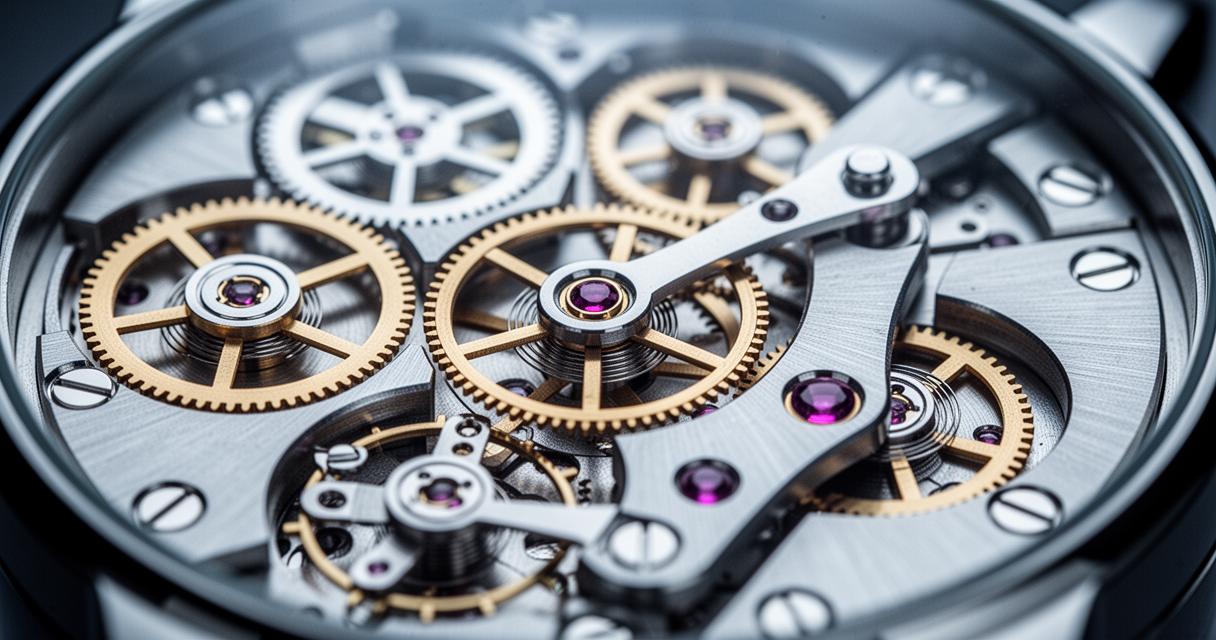
Inside the case, the NH35 relies on a rotor-driven winding system paired with a mainspring that stores energy for later use. The movement features twenty-four jewels, which reduce friction at critical points and help the mechanism run smoothly over years of use. With a diameter of 27.4 millimetres and a thickness of just 5.32 millimetres, it slots neatly into a wide range of case designs, whether that’s a rugged diver or a pared-back dress piece. The movement also supports hours, minutes, date, and hacking seconds, meaning the second hand can be stopped for precise time-setting, a small but genuinely useful feature for anyone who values accuracy.
Comparing the NH35 and NH35A: Technical Specifications and Practical Differences
Frequency, power reserve, and accuracy: a detailed breakdown
Both versions of this calibre beat at 21,600 vibrations per hour, which translates to a 3 Hz rate, giving the seconds hand its distinctive sweeping motion rather than a stuttering tick. Power reserve sits at roughly 41 hours, so a watch left overnight without wear will typically still be running the next morning, provided it was fully wound beforehand. In terms of timekeeping, Seiko rates the movement between -20 and +40 seconds per day according to factory specifications, which is a wide window on paper but often performs better than that in practice once regulated properly by a skilled watchmaker.
Hacking and hand-winding features: what sets these movements apart
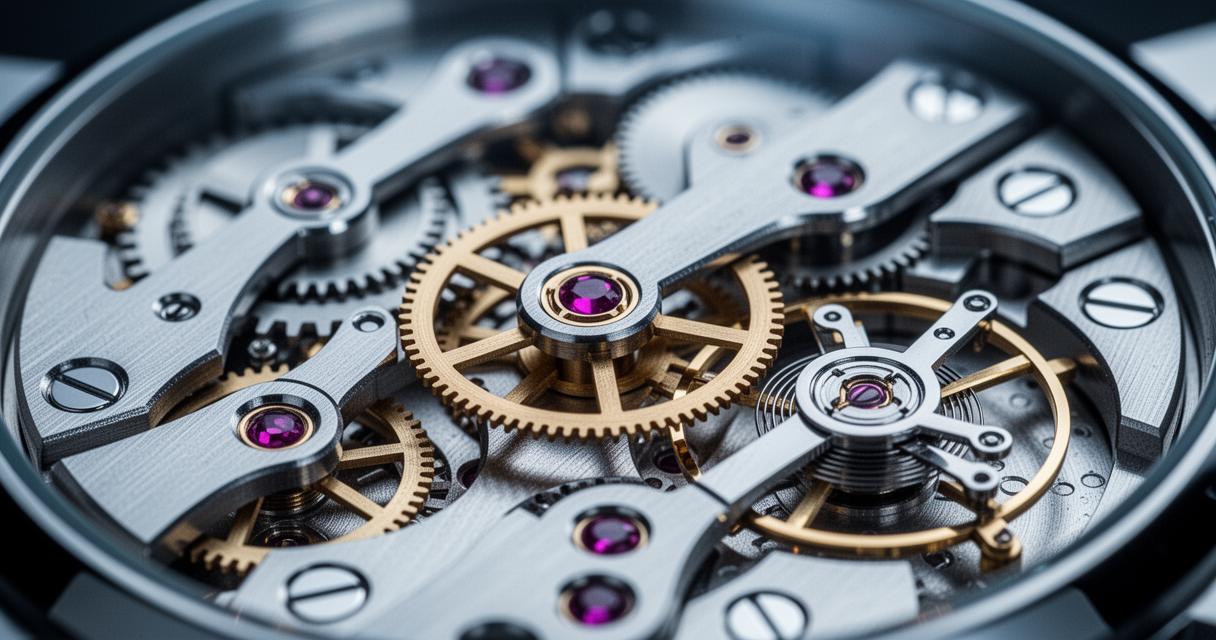
The main distinction between the NH35 and the NH35A comes down to subtle functional tweaks rather than a wholesale redesign. Both variants offer hacking seconds and hand-winding capability, giving owners flexibility in how they set and maintain their timepiece. This shared DNA is part of why brands can move between the two without dramatically altering their design process, and it also explains why enthusiasts often use the names somewhat interchangeably, even though small differences do exist beneath the surface.
The NH35 in Modern Watchmaking: Applications and Industry Impact
Why Independent Watchmakers and Brands Choose the NH35 Family
Walk through any collection of microbrand watches and there’s a strong chance several will be powered by this very movement. Its popularity stems from a winning combination of low cost and proven reliability, making it the go-to choice for smaller companies that need dependable mechanics without the overheads of in-house manufacturing. It sits alongside other well-regarded workhorse movements such as the Miyota 8215 and the Sellita SW200-1, yet many watchmakers still consider the NH35 the benchmark movement against which these alternatives are measured. Whether it’s powering a rugged dive watch built to withstand serious depths or a stripped-back minimalist piece meant for daily wear, this calibre adapts comfortably to nearly any design brief.
Serviceability, Affordability, and Long-Term Value for Watch Enthusiasts
One of the most appealing aspects of owning a watch built around this movement is how easy it is to look after. Servicing is generally recommended every five to seven years and typically costs between one hundred and twenty and two hundred and fifty euros in Europe, a modest expense considering the movement’s expected lifespan of twenty to thirty years with proper care. Most issues that arise tend to stem from moisture intrusion rather than mechanical shock, which is a helpful reminder that keeping gaskets and seals in good condition matters far more than worrying about the odd bump. For those purchasing from overseas retailers, it’s worth noting that shipping through DHL Express often includes duties and VAT already factored into the price, simplifying the buying process for both women’s watches and men’s watches alike. Strap compatibility is another practical consideration, with many cases built around this movement accepting 14mm, 18mm, 20mm, and even integrated straps, giving owners plenty of scope for customisation. Ultimately, the enduring popularity of the NH35 and NH35A comes down to trust: watchmakers know what they’re getting, enthusiasts know what to expect, and that consistency has cemented this movement’s place as a genuine industry standard.