
The intersection of cutting-edge technology and environmental stewardship has given rise to a transformative approach in addressing one of humanity's most pressing challenges: the restoration of degraded ecosystems. Unmanned aerial vehicles are emerging as pivotal instruments in the fight against deforestation and habitat loss, offering unprecedented speed, precision, and scalability. This innovative fusion of aerial innovation and ecological science is reshaping how conservationists, governments, and organisations tackle reforestation, turning ambitious restoration goals into tangible realities.
Aerial technology revolutionising environmental conservation
The Rise of Unmanned Aerial Vehicles in Ecosystem Restoration
The deployment of unmanned aerial vehicles in environmental conservation marks a significant departure from traditional methods that have long relied on manual labour and ground-based interventions. These sophisticated machines are equipped with advanced sensors, imaging capabilities, and autonomous navigation systems that enable them to access remote and challenging terrains with remarkable ease. In regions devastated by wildfires or industrial activities, these aerial tools have demonstrated their capacity to accelerate recovery efforts at a scale previously deemed impossible. The integration of machine vision and GPS technology allows these devices to operate with minimal human oversight, ensuring consistent and accurate execution of complex tasks.
Precision Mapping and Data Collection for Sustainable Forestry
One of the most transformative aspects of drone deployment in reforestation lies in their ability to perform detailed topographical assessments and environmental analyses. Utilising LiDAR scanning, these unmanned systems generate high-resolution three-dimensional maps of landscapes, identifying optimal locations for planting based on soil composition, moisture levels, and sunlight exposure. This level of precision ensures that each seed is placed in an environment conducive to its growth, significantly improving survival rates. Beyond initial site assessment, these aerial platforms continuously gather data on pollution levels, habitat health, and wildlife movements, providing conservationists with real-time insights that inform adaptive management strategies. Remote sensing capabilities enable the tracking of ecosystem changes over time, offering a comprehensive understanding of how restored areas evolve and respond to environmental pressures.
Seed dispersal innovation through drone-based reforestation
Automated planting systems outpacing traditional methods
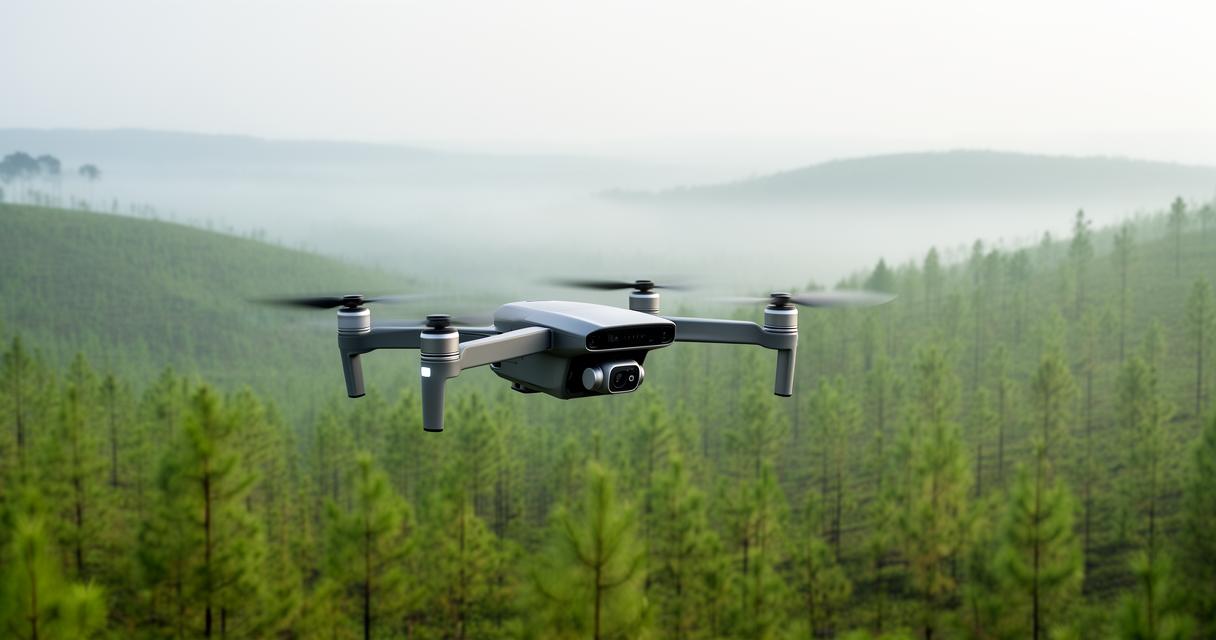
The sheer efficiency of drone-based planting systems has redefined what is achievable in large-scale reforestation campaigns. In Japan, AI drones have been employed to plant trees at a rate ten times faster than human workers, demonstrating the potential for rapid ecosystem recovery in regions where time is of the essence. These unmanned vehicles deploy biodegradable seed pods that encapsulate nutrients and protective coatings, enhancing germination success even in harsh conditions. In wildfire-affected areas, over eighty per cent of seeds delivered via drone successfully sprouted, a testament to the precision and effectiveness of this method. Meanwhile, Brazil has embraced robotic systems capable of planting up to eighteen hundred trees per hour, a feat that underscores the scalability of automated planting solutions. China has also tested drones with the ambition of planting one hundred thousand trees daily, leveraging machine vision and GPS to ensure each seedling is positioned for optimal growth.
Cost-effective solutions for large-scale environmental recovery
The economic advantages of drone-assisted reforestation extend beyond mere speed. Traditional planting methods require extensive labour, logistical coordination, and prolonged timelines, all of which translate into significant costs. Unmanned aerial vehicles streamline these processes by reducing the need for large teams and minimising the expenses associated with transporting personnel and equipment to remote sites. The use of biodegradable seed pods further reduces material costs while ensuring environmental sustainability. By integrating planting efficiency with advanced monitoring systems, these aerial platforms enable organisations to allocate resources more effectively, channelling funds towards additional conservation initiatives rather than repetitive manual tasks. This cost-effectiveness makes drone-based reforestation an attractive option for governments and non-governmental organisations operating under budgetary constraints, particularly in developing nations where large-scale restoration is urgently needed but funding remains limited.
Monitoring Forest Growth and Biodiversity from Above
Real-time assessment of reforestation progress
The capacity to monitor seedling health and track reforestation progress in real time represents a quantum leap in environmental management. Drones equipped with multispectral sensors can assess the vitality of newly planted vegetation by analysing chlorophyll levels, water stress, and growth patterns. This continuous surveillance allows conservationists to identify areas where intervention is necessary, whether through additional watering, pest control, or soil amendment. By optimising reforestation methods based on empirical data, organisations can refine their strategies and improve long-term outcomes. The ability to detect issues early and respond swiftly reduces the risk of large-scale failures, ensuring that restoration efforts yield measurable and lasting benefits for ecosystem health.
Wildlife habitat analysis using thermal and multispectral imaging
Beyond vegetation monitoring, unmanned aerial vehicles play a crucial role in assessing the broader ecological impact of reforestation projects. Thermal imaging enables the detection of wildlife movements and habitat use, providing insights into how restored areas support biodiversity recovery. Multispectral imaging captures data across various wavelengths, revealing information about soil health, water distribution, and microclimatic variations that influence habitat suitability. These technologies empower conservationists to evaluate whether reforested landscapes are creating viable habitats for native species and supporting the complex web of interactions that define healthy ecosystems. The integration of remote sensing data with ecological modelling enhances the ability to predict how restored areas will evolve under different climate scenarios, making drones essential tools for tracking and addressing climate change. As the global community intensifies efforts towards climate action, the role of these aerial systems in providing comprehensive, actionable intelligence becomes increasingly indispensable, bridging the gap between ambitious environmental goals and their practical realisation.