Maintaining a motorcycle in peak condition is not simply a matter of preference but a fundamental aspect of safe and reliable riding. Owners who prioritise regular upkeep benefit from enhanced performance, extended vehicle life, and improved resale value. Understanding when to replace key components and how to manage filter maintenance forms the backbone of effective motorcycle care, ensuring that every journey remains as secure and enjoyable as the first.
Essential motorcycle component replacement: tyres, brakes, and chain maintenance
Tyres represent one of the most critical safety elements on any motorcycle. Their condition directly influences grip, handling, and stopping distances, making regular assessment essential. Weekly tyre pressure checks should be carried out when the rubber is cold, as this provides the most accurate reading and helps prevent dangerous blowouts. Even when tread depth appears adequate, tyres should be replaced every five to seven years regardless of wear, as the rubber compounds degrade over time and lose their ability to provide optimal grip on the road. Recognising wear patterns such as uneven tread or cracking along the sidewalls can alert riders to alignment issues or the need for immediate replacement, thereby maintaining confidence during cornering and braking.
Tyre Condition Assessment: Recognising Wear Patterns and Grip Performance on the Road
Observing how tyres wear offers valuable insights into the overall health of a motorcycle. Uneven wear across the tread surface may indicate problems with suspension alignment or incorrect tyre pressure, both of which can compromise safety. Riders should inspect their tyres regularly for signs of embedded debris, cuts, or bulges, as these defects can lead to sudden failure. The relationship between tread depth and grip performance becomes especially critical in wet conditions, where sufficient depth helps channel water away and reduce the risk of aquaplaning. By staying vigilant and addressing tyre issues promptly, motorcyclists can avoid many of the preventable problems that contribute to roadside assistance calls.
Brake pads, discs, and fluid: understanding when your braking system requires attention
Braking systems demand meticulous attention due to their vital role in rider safety. Brake pads should maintain a minimum thickness of one to two millimetres; anything less compromises stopping power and risks damage to the brake discs. Regular inspection allows riders to detect wear before it becomes dangerous, and many find that visual checks combined with listening for unusual noises provide early warning signs. Brake fluid, often overlooked, requires periodic replacement to prevent moisture absorption that can reduce braking efficiency and cause corrosion within the system. Discs themselves may develop scoring or warping over time, necessitating professional evaluation and replacement. Maintaining all elements of the braking system in optimal condition not only enhances safety but also contributes to smoother, more predictable handling during emergency stops.
Engine Care and Filter Maintenance: Oil, Air, and Fuel Filter Replacement Schedules
Engine longevity hinges on proper fluid management and filter maintenance. Oil serves as the lifeblood of the engine, lubricating moving parts, cooling components, and carrying away contaminants. For most motorcycles, engine oil should be changed every three thousand to five thousand miles, though high-performance models may require more frequent intervals, often every two to three thousand miles. Regular oil changes prevent sludge build-up and ensure that the engine operates smoothly, extending its service life significantly. Neglecting this simple task can lead to costly repairs and diminished performance, making it one of the most important preventive measures a rider can take.
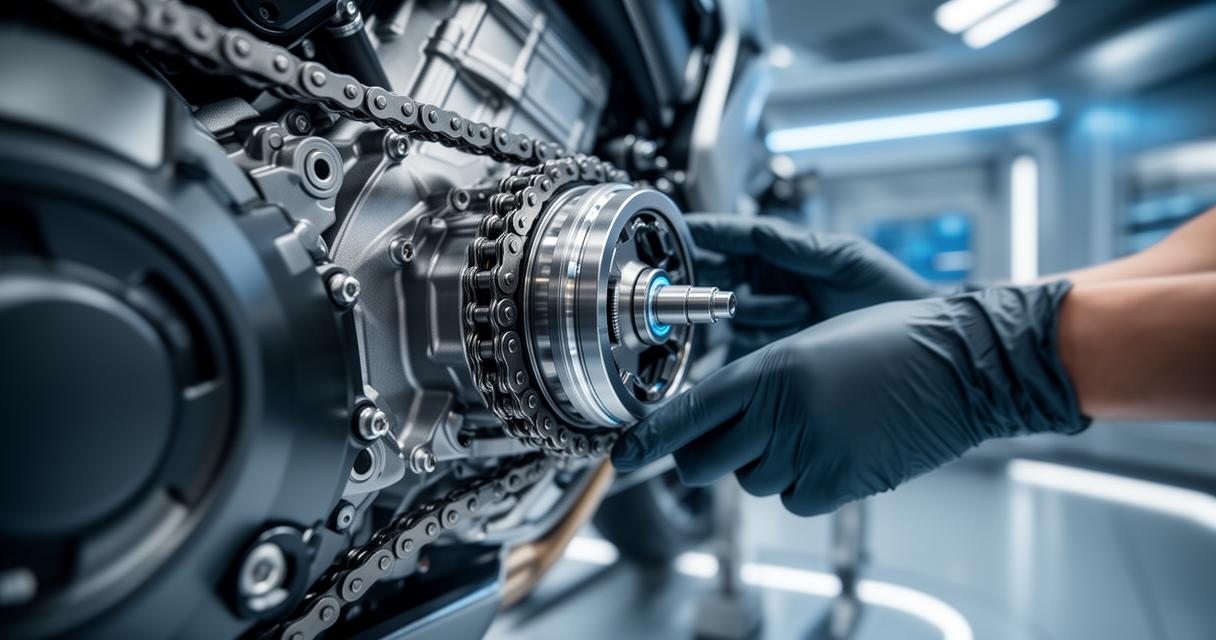
Oil filter change duration: extending your engine's life through proper liquid management
The oil filter works alongside the engine oil to trap particles and debris that could otherwise cause wear. Replacing the oil filter at every oil change is a straightforward practice that maximises protection for internal engine components. Using quality filters and oils suited to the specific model ensures that the liquid management system functions as intended, reducing friction and heat while maintaining optimal pressure. Riders who document their maintenance activities, including oil and filter changes, benefit from a clear record of service intervals and can more easily identify patterns or issues that may arise. This documentation also enhances resale value, as prospective buyers appreciate evidence of diligent care.
Air and Fuel Filter Condition: Performance Tips for Optimal Vehicle Operation
Air filters play a crucial role in allowing engines to breathe clean air, which is essential for efficient combustion and performance. The frequency of cleaning or replacing these filters varies widely depending on riding conditions. Off-road enthusiasts may need to service their air filters daily due to exposure to dust and dirt, while road riders might only need attention every forty to fifty thousand miles under normal conditions. Different filter types, including paper, foam, and cotton, each offer unique benefits. Paper filters are disposable and commonly fitted but can restrict airflow more than alternatives. Foam filters, favoured for off-road use, can be washed and reused multiple times, making them cost-effective and practical in harsh environments. Cotton filters, often associated with performance brands, combine durability with enhanced airflow, potentially improving horsepower and fuel efficiency when properly maintained. In dusty or wet conditions, filters can wear more quickly, requiring riders to monitor and adjust their maintenance schedules accordingly. Installing a new or freshly cleaned air filter is typically straightforward, though access may vary by motorcycle design. Regular attention to air and fuel filter condition ensures that the engine receives the clean air it needs, supporting optimal operation and longevity.
Suspension, Battery, and Model-Specific Maintenance: BMW and Beyond
Suspension components, while less frequently serviced than tyres or brakes, demand periodic attention to maintain handling and safety. Fork service intervals vary by manufacturer and riding style, but regular checks for leaks, smoothness of travel, and any play in the bushings can prevent more serious issues. Keeping suspension in top condition contributes to a balanced ride and responsive steering, qualities that are especially important when navigating winding roads or uneven surfaces. Riders who invest in professional servicing for complex suspension tasks often find that the improved handling and comfort justify the expense.
Fork Service and Suspension Care: Maintaining Your Motorcycle's Handling and Safety
Fork seals and suspension fluids deteriorate over time, leading to reduced damping performance and potential leaks. Inspecting seals for signs of oil weepage and checking that the suspension operates smoothly without sticking or unusual noises helps identify when service is due. Some riders choose to perform basic maintenance at home, while others seek professional assistance for more intricate tasks. Regardless of the approach, maintaining suspension components in good order ensures that the motorcycle handles predictably and safely, particularly under braking or during rapid direction changes. Regular suspension care also helps preserve the integrity of related parts, such as wheel bearings and steering head bearings, which rely on stable suspension geometry.
Battery life and wheels: understanding replacement duration across different models
Batteries are another component that requires consistent attention to prevent starting issues and ensure reliable operation. Regular checks for corrosion at the terminals and ensuring secure connections can extend battery life considerably. Cleaning away any build-up and applying protective coatings help maintain optimal electrical performance. Many riders find that keeping a battery tender connected during periods of inactivity prevents discharge and prolongs service life. When replacement becomes necessary, selecting a battery suited to the specific model and riding habits ensures dependable starting and electrical system function. Wheels, though often overlooked, also merit regular inspection. Checking for true running, spoke tension on wire wheels, and any signs of damage ensures that the motorcycle rides smoothly and safely. Balancing and alignment should be part of routine maintenance, particularly after tyre changes or any impact that might affect wheel integrity. Models such as BMW motorcycles may have specific requirements or recommended service intervals, so consulting the manufacturer's guidelines helps ensure that all maintenance aligns with design specifications. By addressing battery and wheel maintenance alongside other key components, riders can significantly reduce the risk of unexpected failures and enjoy more reliable, safe journeys on the road.